Cyber Security, The Cyber Threat Landscape and Network Monitoring
“security systems have to win every time, the cyber attacker only has to win once.”
Anatomy of a Cyber Attack
Cyber Security Basics
In order to defend against cyber crime, companies not only have to make sure that their internal cyber environment is secure and that their employees are trained and know how recognize a potential cyber attack, they also need to ensure that the upstream and downstream partners they deal with on a daily basis are also cyber secure. There is no “one size fits all” solution to cyber security. Each company is unique in its IT set up and exposure to risks. SortedIT can design a solution for your company based on an assessment of your company’s risk profile.
On-going Cyber Threat Awareness Training Manipulative Social Engineering by threat actors can deceive employees into divulging confidential or personal information that can ultimately harm themselves and the organization. Ongoing awareness training helps employees recognize potential attacks and what actions to take to defend against them.
For more information regarding solutions, products and support, please contact us on 087 700 9912 (office) on 082 856 4399 (after hours), or email: security@sortedit.co.za
People and Machine Identity Security: Ensures that both human users and devices (servers, applications, IoT devices) are properly authenticated, authorized, and monitored to prevent unauthorized access and maintain trust across a network.
Cyberattack: Any type of offensive maneuver that targets employees, computer information systems, IT infrastructures, computer networks, or computing devices.
Social Engineering: The manipulation of individuals into divulging confidential or personal information that can be used for fraudulent purposes.
Third and Fourth Party Business Partners With Deficient or Outdated Cyber Security Policies and Procedures.
Employees who are not cyber threat aware and who are not kept up to date on cyber attack trends.
Employees privately engage third parties to resolve IT-related issues, bypassing their IT department and their IT security policies.
Employees and contractors who have unrestricted and unmonitored access to all levels of company data pose a direct threat. Devices should be locked down and employees should only have access to the data that they need.
Human and Machine Identity Security and Cyber Debt – Definitions
Human Identity Security refers to the practices, policies, and technologies used to protect individuals’ or organizations’ identities from unauthorized access, theft, and misuse. It involves safeguarding the information that can uniquely identify a person or entity, such as usernames, passwords, social security numbers, or biometric data. The goal of identity security is to ensure that only authorized users have access to certain resources, preventing identity theft, fraud, and unauthorized activities.
Machine Identity Security refers to the practices, technologies, and policies designed to protect computers, servers, devices, and other types of machinery from unauthorized access, misuse, damage, or theft. The goal is to ensure the integrity, availability, and confidentiality of the machine and the data it processes or stores. Machine security is a critical aspect of overall cybersecurity, particularly in environments where machines are interconnected or have access to sensitive information.
Cyber Debt refers to the accumulated risk and vulnerabilities within an organization’s IT infrastructure and cybersecurity practices due to deferred or inadequate investment in cybersecurity measures. Similar to technical debt in software development, cyber debt arises when organizations delay or neglect necessary security updates, upgrades, and best practices, often to save time, reduce costs, or prioritize other initiatives.
For information or assistance, contact us on087 700 9912 (office) or on 082 856 4399, or email: security@sortedit.co.za
The Cyber Threat Landscape 2024
Identity Security: History and Projections
No One Is Safe
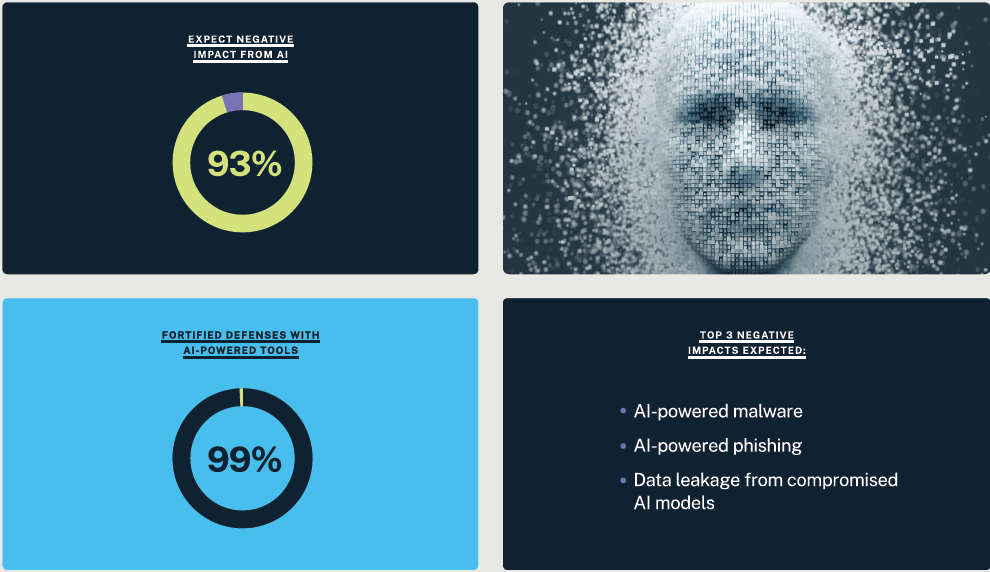
The biggest security challenges in 2024 are coming from AI/Generative AI, insufficient focus on both human and machine identities and an expanding network of third and fourth party upstream and downstream service providers and clients whose IT systems may not be hardened against cyber attacks.
The Impact of AI / Generative AI
AI is increasingly being used to generate Malware and Phishing attacks and the AI models are evolving and becoming more sophisticated. Systems need to be constantly updated and employees trained to be constantly aware of developments in the threat landscape.
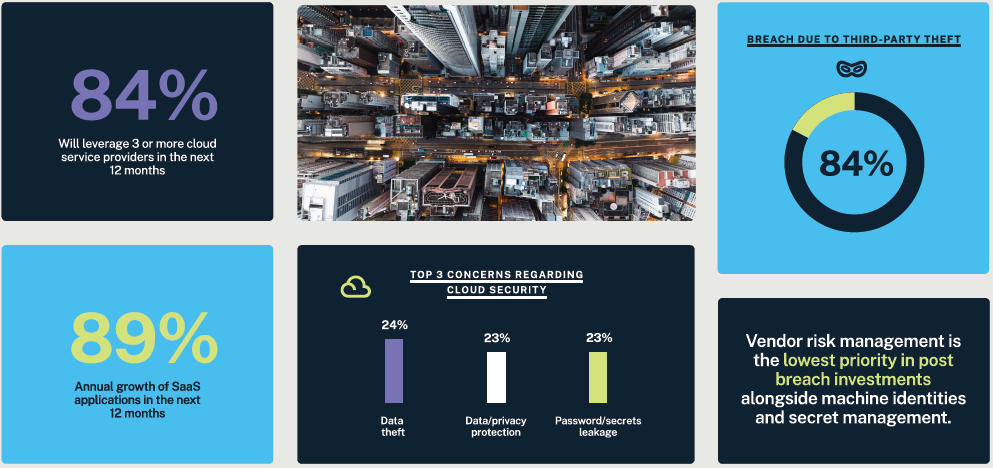
Third and Fourth Party Risks
Direct vendors and their vendors, as well as direct customers and their customers need to be considered in any company’s cyber risk profile, because if any one of the parties involved suffer a breach, then every upstream and downstream party is at risk of being compromised.
Containing Cyber Debt
Employees remain the most vulnerable link in the cyber security chain and like their machine counterparts need to be constantly hardened against cyber attacks. Employees are especially vulnerable because of the “shiny new object” syndrome – in most cases, a very tempting email.
Local and Remote Network Monitoring
Often, a cyber attack goes unnoticed for months because very little attention is paid to what is gong on inside the company network. This lack of attention makes it easy for an attacker to stay resident in a computer network, gathering information and then launching an attack.
However all attackers want to get information “out” of the organization and that is where network monitoring comes in. Unusual traffic can be spotted and the compromised devices are isolated from the network and the malware can be cleaned off the system
For more information regarding monitoring, solutions and support, please contact us on 087 700 9912 (office) or on 082 856 4399, or email: security@sortedit.co.za
Network Activity – what is coming in and what is going out
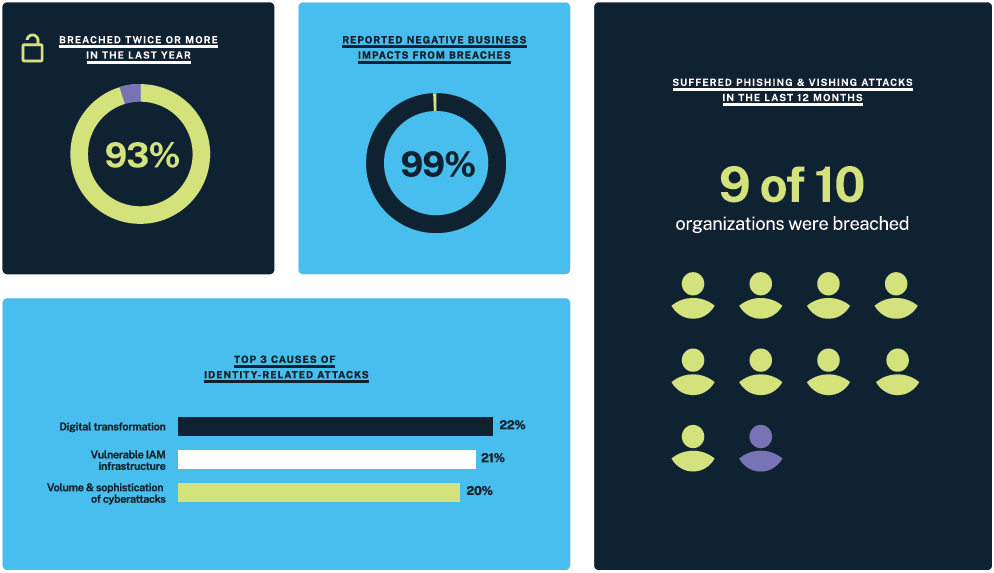
Who has been compromised?
Part of the information on this page was extracted from the 2024 Identity Security Threat Landscape Report published by CYBERARK®
Who is on your network?
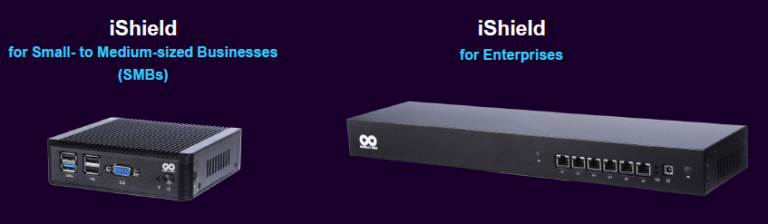
Using an array of surveillance tools, We can easily see which devices are on the network. Unsanctioned devices can be quickly isolated and investigated
Likewise, if unusual network activity is noticed, the device and owner can be identified, taken off the network and investigated.